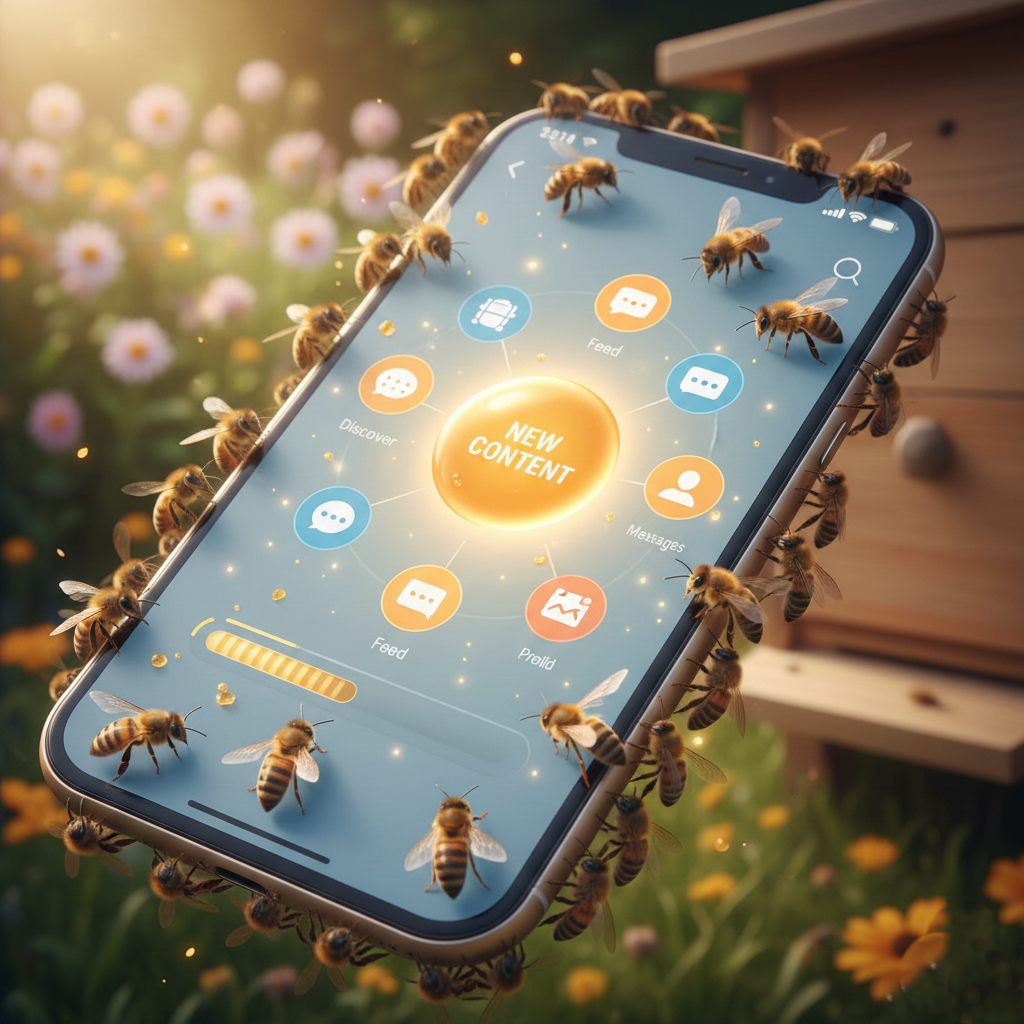
Information Scent: How Great App Interface Design Draws Users In Like Bees to Nectar
Imagine you’re wandering through a dense forest looking for something delicious to eat, and suddenly a tempting aroma hits you. That scent pulls you forward, step by step, until you reach the source Now picture a user scrolling through your app or website they’re following a “scent” too, but it’s an information scent If you’re looking to hire UI UX designer, need mobile app design services, or searching for the best UI UX designer for mobile apps in today’s competitive market, understanding this concept can completely change how you approach design I’ve spent years in the field, and I’ve seen firsthand how strong information scent turns casual visitors into loyal users, while weak scent sends them bouncing away in seconds.
Let me share a quick story from my own experience I was working on an app UI UX redesign for an e-commerce client who was frustrated with sky-high bounce rates After digging in, I realized the links on the homepage were painfully vague “Learn More” with zero context. We swapped them for clear, descriptive labels paired with relevant product images, and just like that, bounce rates dropped 40%. That’s the magic of information scent it reassures users they’re on the right path without making them think too hard.
What Exactly Is Information Scent
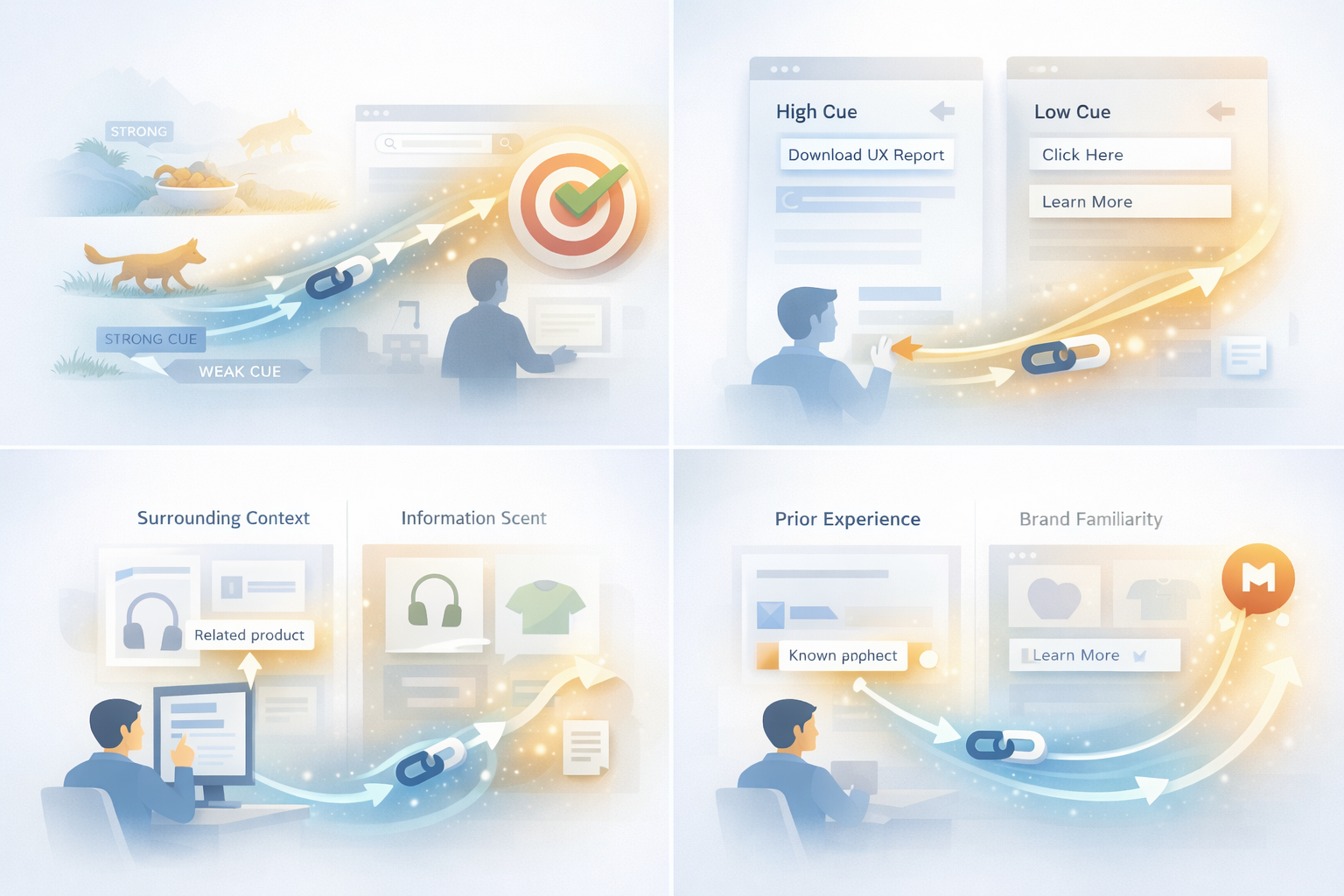
In design circles, we talk about information scent like an invisible trail that guides users It’s simply the user’s prediction of how valuable a page or screen will be before they tap or click, based on cues like link text, surrounding context, and past experiences If you’re a freelance UI UX designer or offering website design services, think of it as your secret weapon to stand out in a crowded digital world.
Take Amazon as a real world example Search for “smartphone,” and you’ll see links titled “Best Android Phones 2025” complete with images and star ratings Those cues give off a strong scent you click without hesitation But a generic “Products” link? Weak scent, instant exit. We use this principle every day to improve mobile app prototype design and overall user flow, especially when users are on phones and attention spans are short.
The Elements That Build Strong Information Scent
So what actually creates strong scent? First, the link or button label itself When building an app, make labels crystal clear and specific Instead of “More Info,” try “How Our SaaS Dashboard Boosts Productivity by 30%.” That kind of wording speaks directly to someone searching “ hire a designer to build my app ” or “design my app UI UX .”
Second, supporting content like previews, thumbnails, or short descriptions In a recent project for a startup, we added accurate product thumbnails and one line summaries the result was a 25% jump in engagement Skip stock photos; use images that truly represent what’s behind the click, like a real screenshot of the dashboard instead of a generic illustration.
Context matters hugely too Picture a homepage filled with kitchen tool images, then suddenly a “Holiday Deals” button The scent feels strong if the user is hunting for party supplies On mobile, where screen space is precious, you have to be even more deliberate I always keep mobile-first in mind when offering mobile app design services, because users in fast-moving markets expect instant clarity.
The Role of User Prior Experience
Never underestimate what users already know. A trusted brand like Apple can get away with slightly vague labels because years of positive experiences create built in scent I once helped a startup client struggling with trust issues we redesigned their flows to include real user testimonials early on, and returning visitors started following weaker links simply because trust was already there.
Social Proof: What Others Say Matters Most
People trust other people far more than ads In good UI/UX work, we weave in ratings, reviews, and social signals to strengthen scent Look at eBay: links with high star ratings get way more clicks Whether you’re a Figma UI UX designer, product designer for apps, or app design expert for SaaS, adding visible social proof is one of the fastest ways to make users feel safe clicking deeper.
But beware of false promises Clickbait titles might get one click, but they destroy trust forever I’ve watched apps lose users permanently after misleading labels Honesty builds long term relationships; shortcuts don’t.
See also:
Resetting User Experience in 2026: Rethinking How We Design Apps and
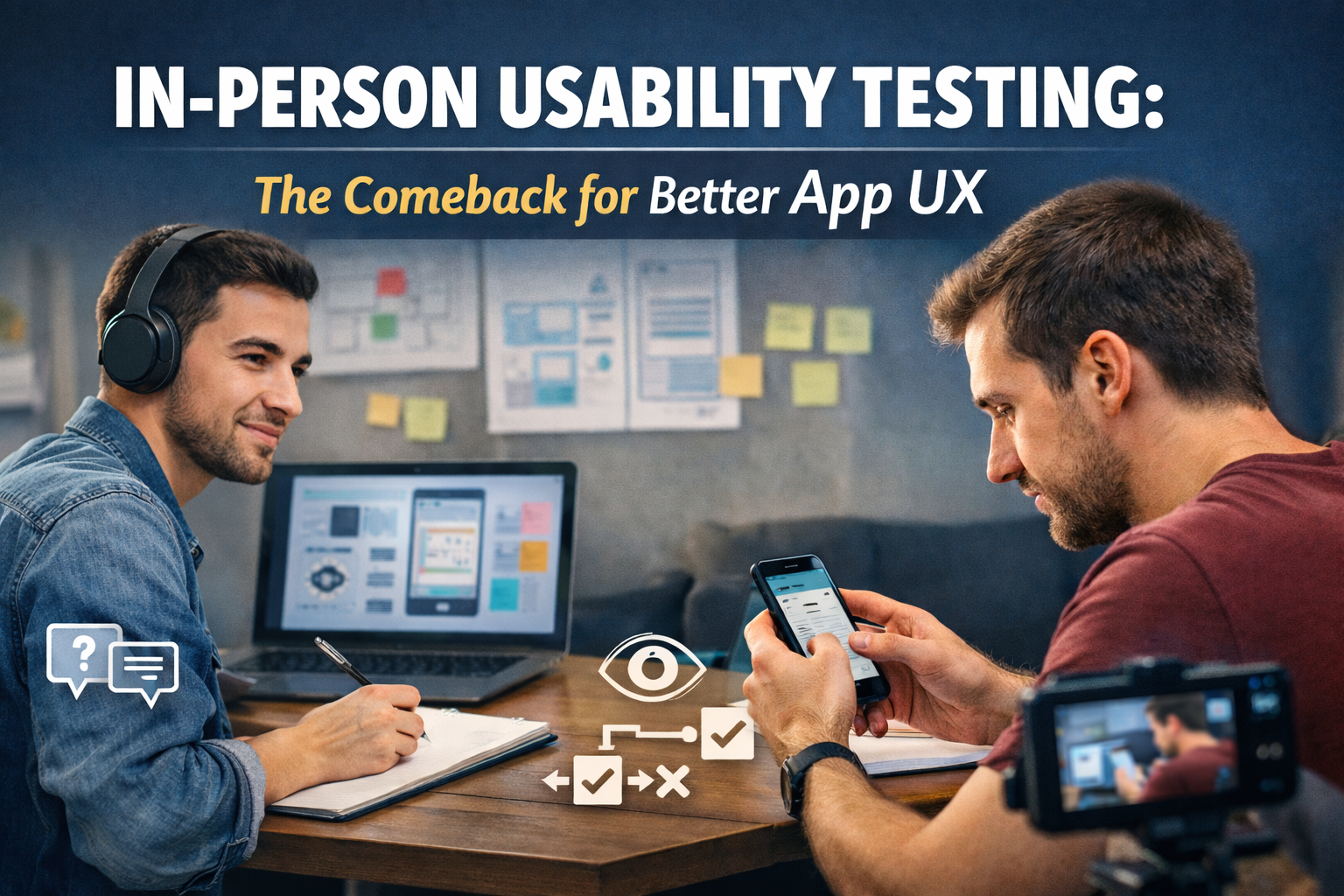
Authentic User Behavior in User Testing: The Secret to Successful App & Website Design
Practical Tips for Your Next Design Project
If you’re looking to hire UI UX designer or need an app redesign service, find someone who obsesses over information scent. In my projects, I always start with user testing to measure how well links and buttons “smell.” For one professional website design for businesses client, we refined button labels to be hyper specific, and session duration jumped 30%.
Information scent isn’t just theory it’s a practical tool that makes your designs magnetic. Whether you’re a UI UX designer for startups, a freelance web designer, or offering Figma designer for mobile apps services, mastering it will set your work apart Need help turning your idea into an app users can’t put down? Reach out to a product designer for apps who truly understands how users follow their noses.